
Who Like Me?
Who Like Me?
by Regina Sewell, PhD, LMHC, PCC, PAT
Have you ever tried to run a group in which group members clam up and only respond with one syllable answers or simply tell you what they think you want to hear? Not only is this frustrating for you, it can make everyone dread coming to group.
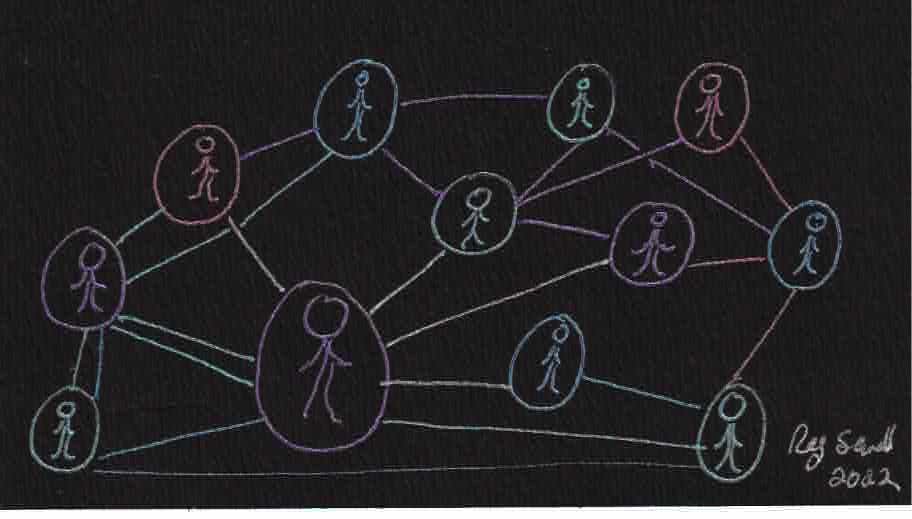
In order to get your clients engaged in group, you need to help them connect with each other. The problem is, many people who find their way into therapy feel isolated, disconnected and alone because they think they are the only ones who are struggling, that no one can understand them, or that their issues are unique. They may even believe that it is impossible for them to connect with others. This can make it difficult for group members to share their thoughts, feelings and experiences, especially if they have been criticized, judged, or rejected in the past. In order to share in group, group members need to know that they aren’t alone in their issues and that others in the group can understand them.
Sociometric exercises provide a skillful way to help group members find things they have in common with other group members and break through the barriers of isolation and terminal uniqueness. One type of sociometric exercise is a step-in circle. Step in circles can be either leader led or member led. For either type of step in circle, have group members stand in a circle with the instructions to take a step in if a stated criterion is true for them and they are willing to disclose that fact. In a leader led step in circle, the leader will say, “Step in if you are _____.” For example, “Step-in if you have a pet” or “Step in if you’re the oldest child” or “Step in if you’ve been in treatment before.” When group members step in, you might invite them to share a word or sentence about why they stepped in. In a member led step in circle, group members themselves come up with criterion about things that are true for them and that they are curious to see if the statement is true for other members as well. Depending on the group, it might be a good idea to put parameters on acceptable criterion. For example, in my college classes, I make it clear that we don’t want to hear about bodily fluids or sexual exploits. In my substance abuse groups, we have a rule against glorifying substance use. A nice way to frame the member led step in circles is to have participants who wish to share a criterion say, “Who like me _______.” This primes the group to think in terms of connection.
For newly formed groups, it’s good to suggest that members begin with lighter, low risk issues that are safe to share, such as, “Who like me is a beach person.” Or “Who like me plays an instrument.” Or, “Who like me is a middle child.”
In groups that have been together and safety has already been established, the questions can go deeper. For example, “Who like me has lost a parent.” Or “Who like me struggles with boundaries.” Or “Who like me has relapsed.” Not only do sociometric exercises help group members find commonalities, they provide group members with safe ways to reveal themselves which can make sharing about more personal and/or painful things easier later on.
Click here to see an example of a director led Step in Circle.
Regina Sewell, PhD/ MEd, LMHC, PCC, CP is certified by the American Board of Examiners as Certified Practitioner of Psychodrama. She is on the faculty on the Hudson Valley Psychodrama Institute. In her private practice, Regina specializes in co-dependency, addictions, LGBT issues and stress management.