
Psychodrama and Resistance Part 2: Warming Up in Our Lives
Psychodrama and Resistance Part 2:
Warming Up in Our Lives
by Rebecca Walters, MS, LMHC, TEP
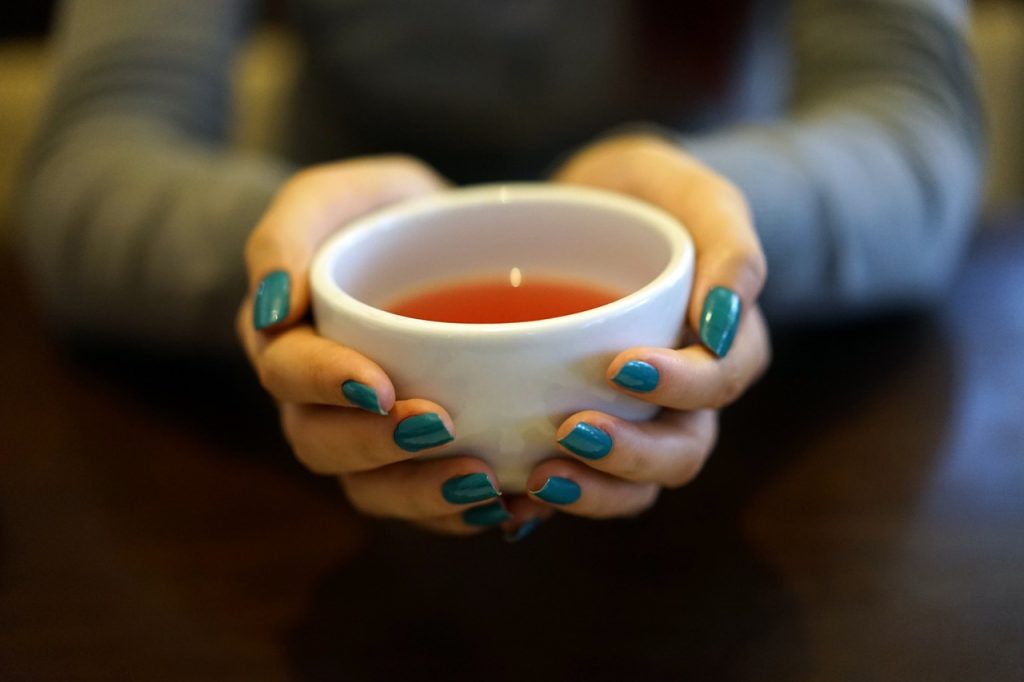
How do you warm up to your day in the morning? Some of us have a slow warm up to the day and we need a cup of coffee in a quiet room, gradually letting go of sleep and moving into the day. Others of us warm up by jumping into the shower, looking over our schedule or our to-do list, grabbing a quick bite on the way to our office. There is no right or wrong way to warm up to our day, but we do need to find what works for us. And at the end of the day? How do you warm up for sleep? A hot bath, brushing teeth and getting into pajamas, watching TV, reading a book, making love, meditating, prayer . . . we all have our ways to warm up to the role of sleeper. We let go of one role and warm up to another with specific activities.
People often use personal, social or religious ritual to warm up to new life roles. Many cultures offer rituals that help warm up young people to their role as an adult. For example, the preparation and celebration of a Bar or Bat Mitzvah warms Jewish teenagers up to a more adult role in the religious and ethical responsibilities within their community. For some of us, buying our first suit or putting on office attire for the first time was part of our warm up to our new professional role. You can surely think of what you needed to do in order to warm up to new roles in your own life. When I became a grandma for the first time, shopping for teeny tiny new baby clothes was a significant part of my warm up to the role.
When I became a grandma for the first time, shopping for teeny tiny new baby clothes was a significant part of my warm up to the role.
But the concept of warm up can be smaller and more practical. It can help us understand what we need to do to shift between roles in our every day lives. Years ago, when returning from a long day of running therapy groups with hospitalized teenagers and a long drive home, it was a challenge for me to step back into a family with two young children and a husband all of whom had competing needs. Sound familiar? I was not yet warmed up to role of wife and mother and this caused distress for everyone. When I learned to stop my car at the bottom of my road and take a few minutes to consciously let go of my role of group therapist and warm up to the role of wife and mother by shifting my focus, my transition home went much more smoothly.
Warming up our groups
J.L. Moreno developed psychodrama as an effective way to work with groups. Every group has three stages, the Warm Up, the Action and the Sharing. The purpose of the warm up is to build connections between people in the group, reduce anxiety/increase spontaneity and to help group members focus on issues or topics that they would like to explore.
Sometimes warm ups happen naturally where one person begins to speak and others respond and before you know it a central concern has been identified. But often a group therapist can aid the group warm up by offering a judiciously chosen series of activities.
Often a group therapist can aid the group warm up by offering a judiciously chosen series of activities.
Director-directed Warm Ups can include activities that help build group cohesion. Spectragrams, Locograms, Step In Circles are just a few of the sociometric exercises that identify connections and commonalities within the group, helping to build cohesion and reveal concerns such as cliques and isolates within the group. A series of sociometric warm ups begins at the periphery of concerns and move towards the center. We might begin with a sociometric warm up that addresses how far away people live or healthy ways they soothe themselves way before we do a sociometric activity that addresses more core issues such as commitment to sobriety, readiness to leave therapy, anger at parents.
Well chosen drama and improv games, art and movement activities and talking in dyads about specific topics can be used to reduce anxiety and increase spontaneity and creativity.
Warm Ups also help individuals focus on the issues they want to address. A Warm Up can use an empty chair to represent someone with whom one has unfinished business. An effective sensory Warm Up can be as simple as playing a piece of evocative music or passing around a bottle of specific scent, or using symbolic picture cards. Warm Ups can include movement, kinesthetic or proprioceptive awareness, art activities and drama and improve games and experiential exercises.
Most important: Warm ups need to adhere to time limitations, group life span, and purpose of group.
Rebecca Walters, MS, LMHC, LCAT, TEP is the founder (1989) and co-director of the Hudson Valley Psychodrama Institute in Highland, NY. She has utilize action methods with individuals and groups of children, adolescence and adults for over 40 years. She was the director of psychodrama services at Four Winds Hospital in Katona NY where she worked for 25 years. In addition to HVPI, Rebecca has trained throughout United States. She is also an internationaly respected trainer at confereces and institutes in the UK, Europe, Asia and Central America.