
Art Therapy and Psychodrama
Art Therapy and Psychodrama
by Ning-Shing Kung, ATR, TEP
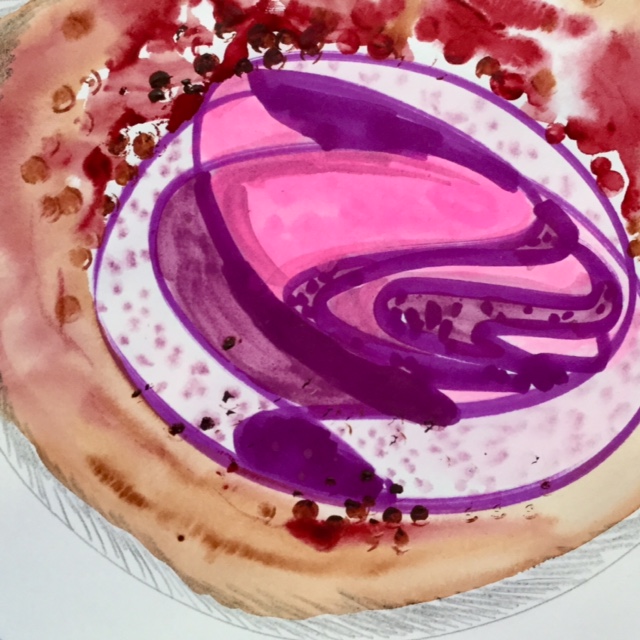
As an art therapist as well as a psychodramatist, I realize that I practice art therapy a little differently from the way I learned in school. My clients continually tell me that my art therapy sessions are so different from other art therapy sessions they have attended. They said: “I never had such experiences in other art therapy group before.” Their feedback greatly inspired me to review my experiences of leading art therapy sessions and to examine the interaction between psychodrama and art therapy and how techniques from each successfully can inform the other.
How Art Therapists Can Use Psychodrama:
The art therapist gives a directive to their clients such as “Paint your feeling by using …” to initiate an art-making process, for the purpose of presenting or expressing themselves. The psychodramatist directs the clients to “create” their own life events on the stage; the scene, time, roles and then to act it out. One form of creation is completed by engaging with art materials such as pencils, paints, brushes, papers, clays, etc.; the other form of creativity is acted out on the stage. Creativity is a fundamental concept in both modules.
The warmup, an essential concept in psychodrama, is the process of applying different kinds of activities to increase spontaneity and decrease anxiety. Once warmed up, the clients can fully immerse the whole self, including body, mind, and spirit, during the enactment stage. Warm-up is extremely important before and during the entire psychodrama. The warm-up unfreezes the creativity that is stored in everyone from the birth. (Moreno, the creator of psychodrama, believed that everyone has the ability to create.) In art therapy the warmup may include choosing materials, initiating creating art or following a directive. Some art therapists might choose to include movement, making sounds, music, etc. as part of the warmup.
Sociometry, one of Moreno’s most important contribution to group work, is the measurement of connections between group members. It reveals the underlying relationship between people. It can be used to uncover and explore personal interconnections between group members. By applying different sociometric techniques to explore the relationship between group members at the beginning, in the middle and towards the end of the group, the group can move forward through different stages of development with full awareness. Sociometry taps the potential relationship from group members’ own experiences (from art therapist’s view, also from group members’ art pieces). Through the process of sociometry, people will know each other better by recognizing the similarity and difference among them. If the sociometric methods are applied in an art therapy group, the surprising connection between group participants can increase group cohesion, which helps to build deeper relationships between individuals and between the individuals and the group as a whole. Deepening sociometric connection invites the next action which can be the whole group making collaborative art. This leads to the final stage of making meaning for the entire group action or for the collaborative art piece. The art piece that is created matters less than the surprises that come from self-exploration through the art making process and the group dynamics happening in a short period of time.
Art therapists with some psychodrama training may also find ways to move individual’s artwork into action, as participants take on the roles of beings and objects represented in the artwork, brush strokes within the artworks, and their artwork as a whole, giving them voice and inviting role reversal.
How Psychodramatists Can Use Art:
Many psychodramatists and other experiential group leaders use art as part of a warmup to further exploration. However, the image or activity involving art is more than just a tool used during the warmup stage. Both psychodrama and art therapy were based on the concept of creativity although using different modalities. Since the art piece exists externally to hold a person’s internal world symbolically, making art can be used during a psychodrama to decrease anxiety and fear. Creating an art piece can help create a safe space or provide distance from distressing thoughts, memories and feelings. Art can often express more than words can. Artwork can also be used to conduct short and fast sharing at the end of the session when there is limited time. Artwork can be kept for later review; it assists the group members in remembering what happened during previous sessions for the purpose of reviewing or further exploring action at a later time.
Ning-Shing Kung TEP, ATR, has 20 years of experience in practicing and teaching psychodrama and art therapy in China, Taiwan and the US. After receiving a master degree in creative art therapy from PRATT, she began presenting an integrated approach at national and international psychodrama conferences and expressive therapy conferences. Ning-Shing has studied energy healing, yoga, and somatic psychotherapy for many years. Her current work on a psychiatric intensive care unit integrates yoga, art-making, role-playing, and sociometry.